Health and Safety Policy for House Clearance Vauxhall
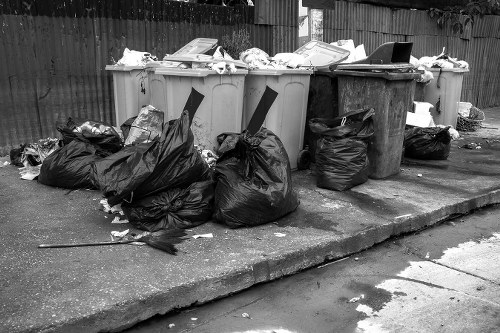 This Health & Safety policy sets out the commitments and procedures adopted by our house clearance team to ensure safe, compliant, and efficient clearance and rubbish removal across our service area. The policy applies to all clearance services, including domestic and small commercial clearances, and outlines duties for staff, supervisors, and contractors. It is written to support safe working practices while remaining adaptable for varied waste removal and clearance scenarios.
Our objectives include preventing accidents, controlling risks associated with heavy lifting and hazardous materials, and maintaining high standards of site safety during every job. Key responsibilities are allocated clearly: managers will assess risks and provide resources; operatives will follow safe systems of work; and supervisors will monitor compliance and provide training. We emphasise that safety is a shared duty and that any person on site must report hazards immediately.
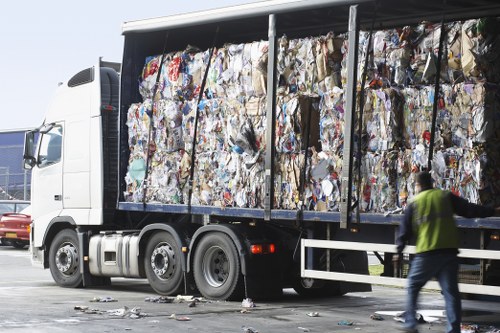 Scope: this policy covers all aspects of house clearance operations carried out within the service area by our rubbish company, including the collection, transport, temporary storage and lawful disposal of waste. It encompasses manual handling, mechanical aids, PPE, traffic management, and interactions with controlled wastes. The policy is intended to be practical and actionable, rather than a legal treatise, and it guides day-to-day safe practice for our clearance teams.
Risk assessment is central to our approach. Before any clearance, a site-specific evaluation identifies hazards such as sharps, asbestos suspects, contaminated materials, or unstable structures. Assessments determine control measures, including segregation of waste, use of specialised sacks or containers, and elimination of ignition sources where flammable materials are present. Where potential asbestos or other hazardous substances are suspected, work will stop and a competent assessor will be engaged.
Training and Competence
All operatives receive targeted training in manual handling, use of mechanical lifting aids, safe use of hand tools, and incident reporting. Training records are maintained and refreshed periodically. New staff undergo induction covering site rules, PPE requirements, and waste handling procedures. We promote continuous learning and require supervisors to coach team members to meet our operational safety standards.
Personal Protective Equipment (PPE) and Tools
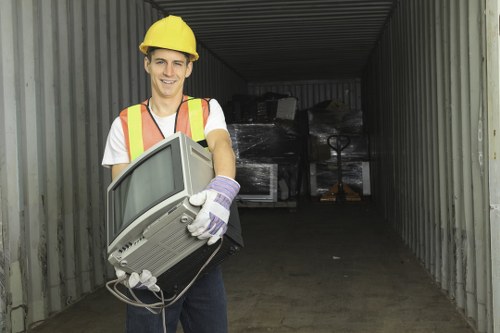
Appropriate PPE is worn at all times on site and may include gloves, hi-vis clothing, safety boots, eye protection, and dust masks where necessary. Equipment is inspected daily and maintained in good order. Mechanical aids such as trolleys, sack trucks, and small hoists are used to reduce manual handling risks. All tools are checked before use and removed from service if found defective.Emergency procedures are established and communicated to staff: these cover first aid arrangements, vehicle-related incidents, fire response, and procedures for dealing with hazardous spillage. A clear chain of command during emergencies ensures rapid, coordinated actions. All operatives know how to summon assistance and where to find first-aid kits and fire extinguishers during operations.
 Safe Work Practices: our operatives follow defined safe systems of work that include pre-start briefings, vehicle and site checks, and use of signage to warn the public in busy locations. Traffic management measures are put in place for roadside or shared-access clearances. Waste is segregated on site where feasible to facilitate lawful disposal and recycling. We maintain robust procedures for handling bulky items and items with potential biohazard risks.
 Waste handling and disposal are carried out by authorised methods and licensed facilities. The company ensures waste transfer documentation is completed and retained, and that materials destined for recycling are processed appropriately. We work to minimise environmental impact through careful sorting and by promoting reuse where suitable. Our rubbish removal service adheres to recognised waste management standards to protect both people and the environment.
Monitoring and Review: the policy is kept under regular review to reflect operational experience, legislative changes, and customer needs. Incidents and near-misses are recorded, investigated, and used to improve procedures. Routine site audits and spot checks assess compliance and identify opportunities for improvement. Performance indicators such as incident frequency, training completion, and audit results help shape ongoing improvements.
Key measures and commitments include:
- Conducting risk assessments for every job and updating control measures as conditions change.
- Providing adequate training and ensuring competence for all staff involved in house clearance and rubbish collection.
- Maintaining PPE and equipment, and ensuring mechanical aids are used to reduce manual handling.
- Ensuring safe segregation, documentation, and lawful disposal of waste from clearance activities.
- Reporting and learning from incidents to prevent recurrence and enhance safety performance.